 Heritage
Aga Khan Palace
A grand palace steeped in India's freedom struggle — where Mahatma Gandhi was held captive during the Quit India Movement. Now a museum with Gandhi's personal artefacts and serene gardens.
Maharashtra, India
Where ancient forts whisper Maratha glory, sacred temples glow at dusk,
and every street corner tells a story worth discovering.
Pune — the cultural capital of Maharashtra — blends Peshwa-era grandeur with a modern, cosmopolitan spirit. From hilltop forts to tranquil gardens, every visit reveals a new layer of this extraordinary city.
 Must Visit
The crown jewel of Pune's history, Shaniwar Wada is an 18th-century palace-fort that once served as the seat of the mighty Peshwa rulers. Its towering teak doors, intricate stone carvings, and grand courtyards transport you to the golden age of the Maratha Empire. The evening light-and-sound show brings its dramatic history vividly to life.
Heritage
A grand palace steeped in India's freedom struggle — where Mahatma Gandhi was held captive during the Quit India Movement. Now a museum with Gandhi's personal artefacts and serene gardens.
 Adventure
Perched 1,312 metres above sea level, this legendary fort witnessed the heroic battle of Tanaji Malusare. A favourite trekking destination with panoramic Sahyadri views and local misal pav stalls.
 Spiritual
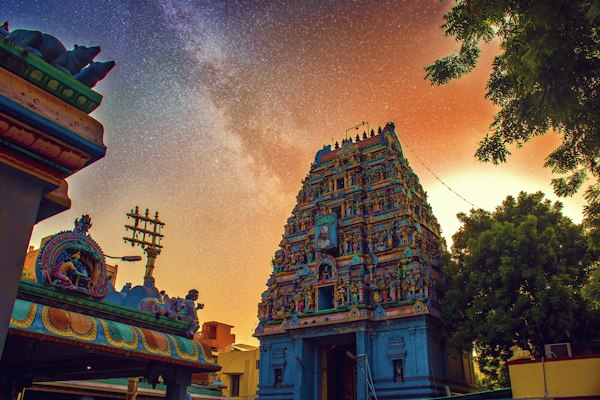
One of Pune's most revered temples, home to a magnificent gold-adorned Ganesh idol. The temple glows with devotion year-round and becomes a spectacular spectacle during Ganesh Chaturthi.
 Culture
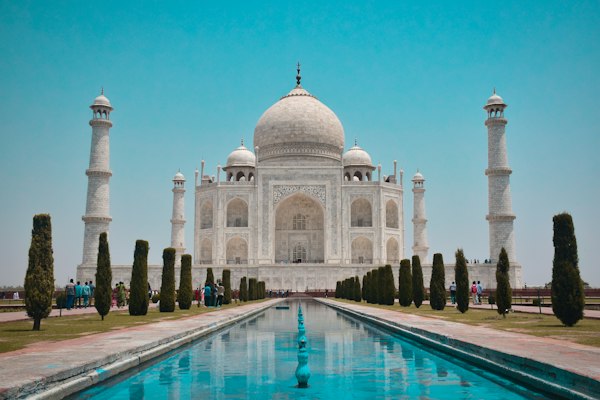
A treasure trove of over 20,000 artefacts collected by Dr. D.B. Kelkar — from intricate ivory carvings and musical instruments to royal palanquins and ancient lamps. A must for art lovers.
 Spiritual
Climb 103 steps to reach this hilltop temple complex dedicated to Goddess Parvati. The panoramic view of Pune's skyline from the summit is breathtaking, especially at sunrise and sunset.
 Nature
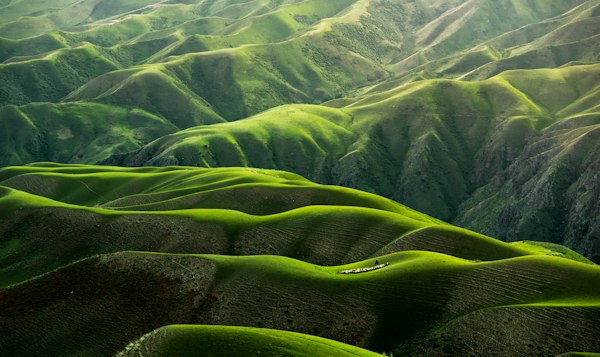
A scenic reservoir on the Mutha River, just 20 km from Pune. The dam offers stunning sunset views, boating, and a refreshing escape from city life. Popular for picnics and weekend outings.
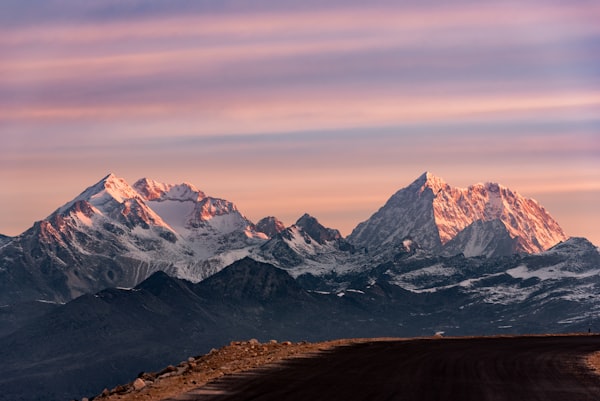 Nature
A lush 25-acre garden built on a dried lake, home to the beloved Talyatla Ganapati temple built by Nanasaheb Peshwe in 1750. A serene retreat for locals and tourists alike.
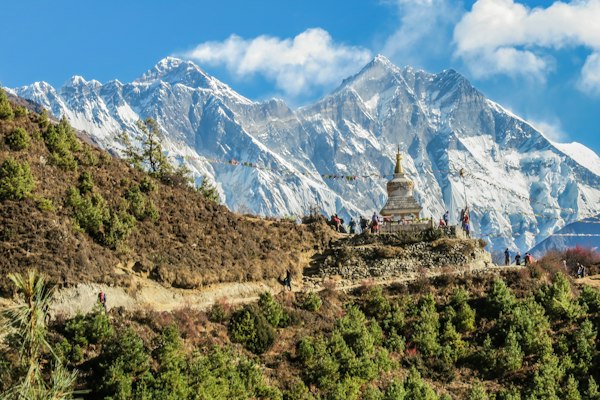 Culture
A world-renowned spiritual retreat in the leafy Koregaon Park neighbourhood. Spread across 40 acres, it offers meditation programs, therapy sessions, and a unique blend of Eastern wisdom and modern luxury.
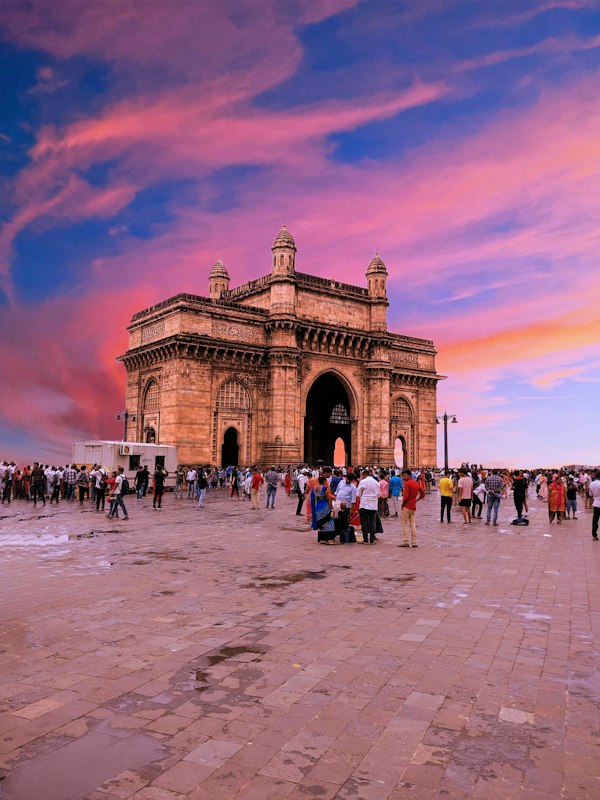 Heritage
An 8th-century rock-cut cave temple dedicated to Lord Shiva, carved from a single basalt rock. This ancient Rashtrakuta-era monument sits quietly in the heart of the city — a hidden gem of Pune.
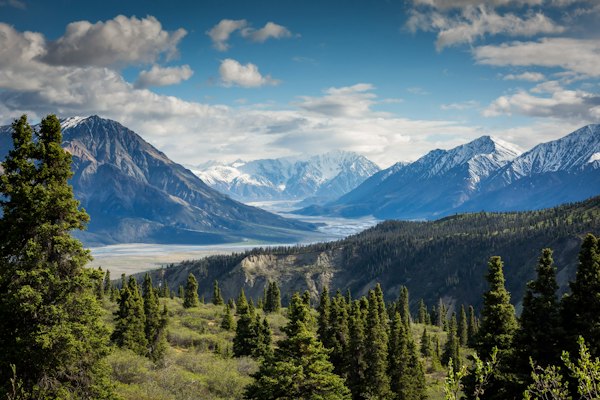 Adventure
One of Maharashtra's most impressive hill forts, rising 1,033 metres above sea level. The trek through lush Sahyadri greenery leads to ancient bastions, water cisterns, and sweeping valley views.
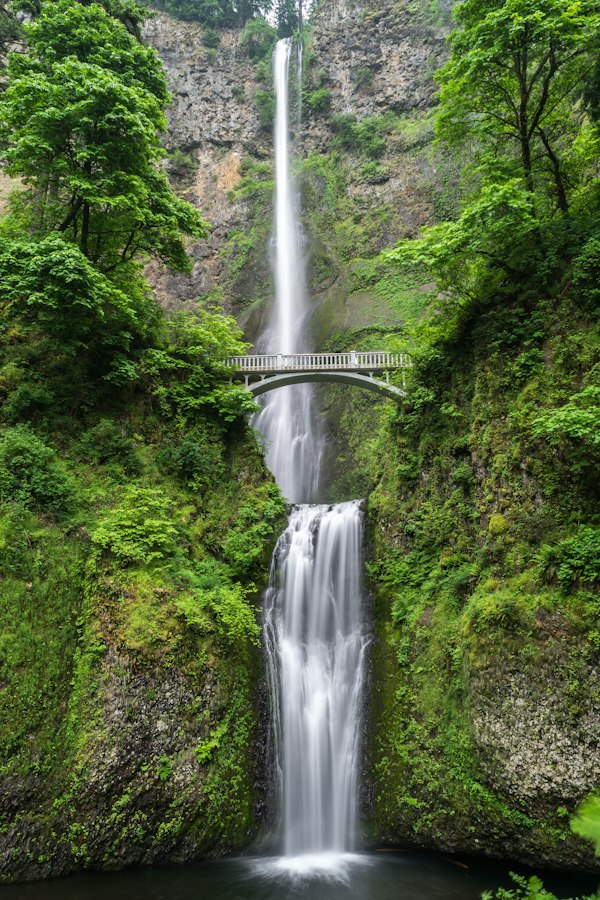 Nature
A picturesque reservoir surrounded by the Western Ghats, offering boat rides, camping, and stunning sunset views. The drive through winding mountain roads is an experience in itself.
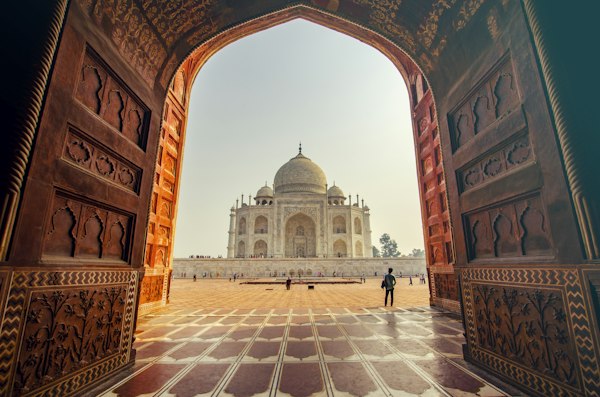 Heritage
Ancient Buddhist rock-cut cave temples dating back to the 2nd century BCE, located near Lonavala. The grand chaitya hall at Karla is one of the finest examples of early Buddhist architecture in India.
Everything you need to know before visiting Pune
October to February offers the most pleasant weather — cool, dry, and perfect for sightseeing. Avoid March–May (scorching heat) and June–September (heavy monsoon).
Auto-rickshaws and app-based cabs (Ola, Uber) are the most convenient options. PMPML buses cover most routes. Rent a two-wheeler for day trips to forts and dams.
Don't miss Misal Pav, Vada Pav, Puran Poli, and Sabudana Khichdi. FC Road and Camp area are food hubs. Try Chitale Bandhu for traditional sweets and snacks.
Koregaon Park and Kalyani Nagar offer upscale stays. Camp and Shivajinagar are central and budget-friendly. Book in advance during Ganesh Chaturthi (Aug–Sep).
Golden hour at Shaniwar Wada and Parvati Hill is magical. Carry a wide-angle lens for fort panoramas. Always ask permission before photographing locals or temples.
Comfortable walking shoes for fort treks, light cotton clothes, sunscreen, and a reusable water bottle. Carry a light jacket for winter evenings (Nov–Jan).
Known as the "Oxford of the East" for its prestigious educational institutions, Pune is also the cultural capital of Maharashtra. The city was the seat of the Peshwa rulers during the Maratha Empire and played a pivotal role in India's freedom struggle.
Today, Pune seamlessly blends its rich Maratha heritage with a thriving IT industry, vibrant café culture, and a young, cosmopolitan population — making it one of India's most dynamic and liveable cities.